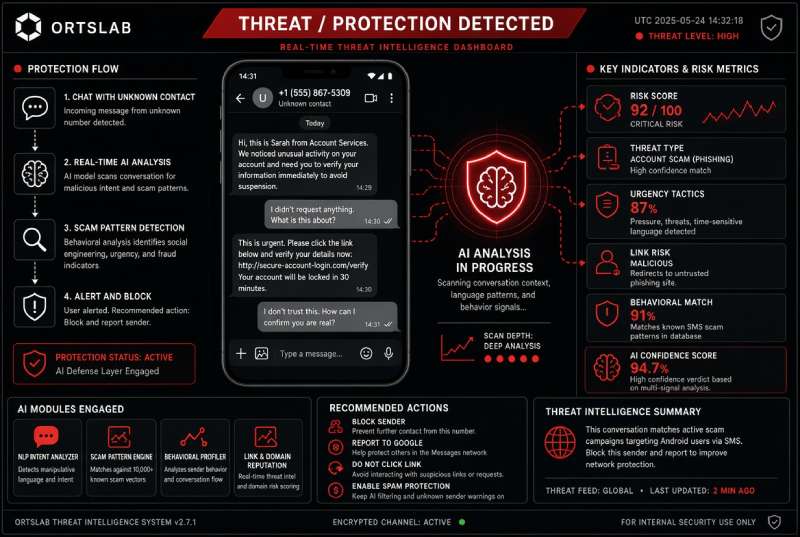
A number that isn't in your contacts messages you. It says it's a delivery company, a bank or a job offer, and the conversation mo...
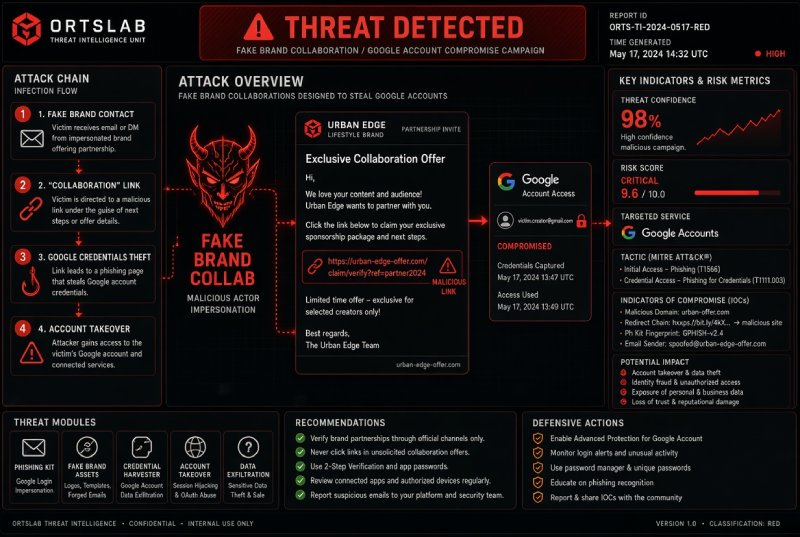
A Peruvian journalist who publishes on YouTube gets an email from "Brandi," on the Creator Partnerships team at Hollyland, a maker...
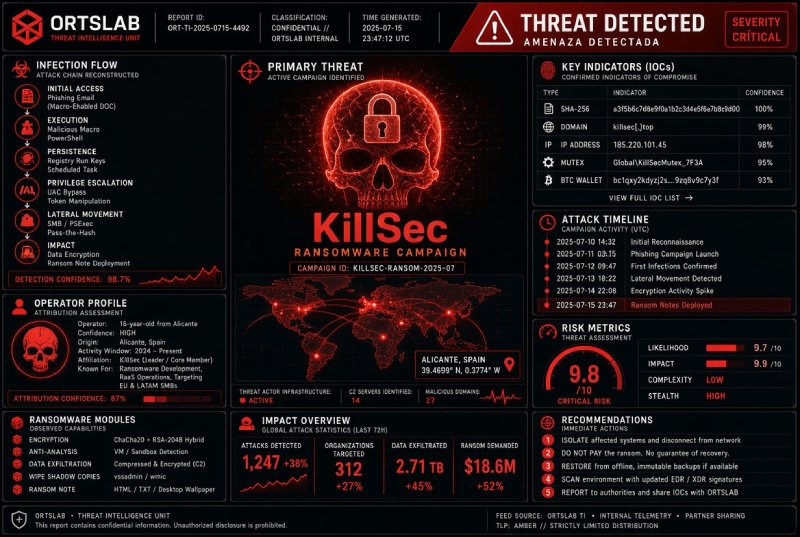
For more than a year, a ransomware group called KillSec extorted companies around the world: it stole their data, encrypted their ...
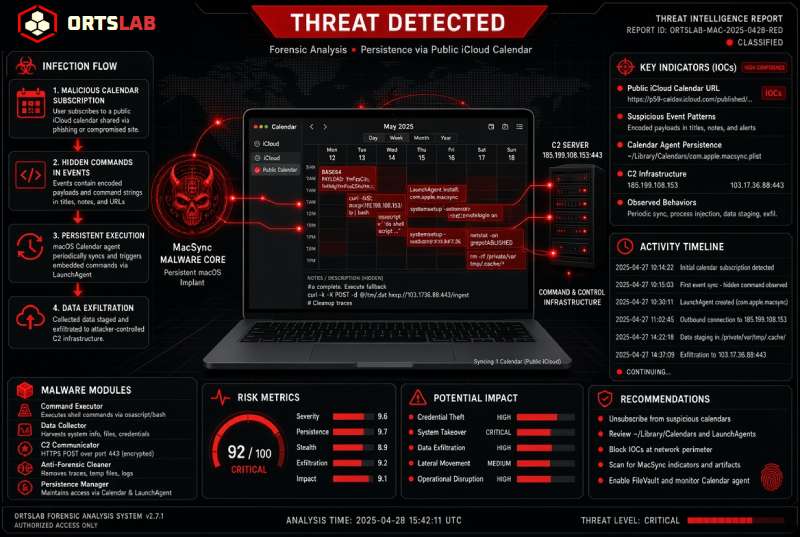
Someone is looking for a new cryptocurrency wallet, or a free version of a paid app, and finds it promoted in a post on X or in a ...
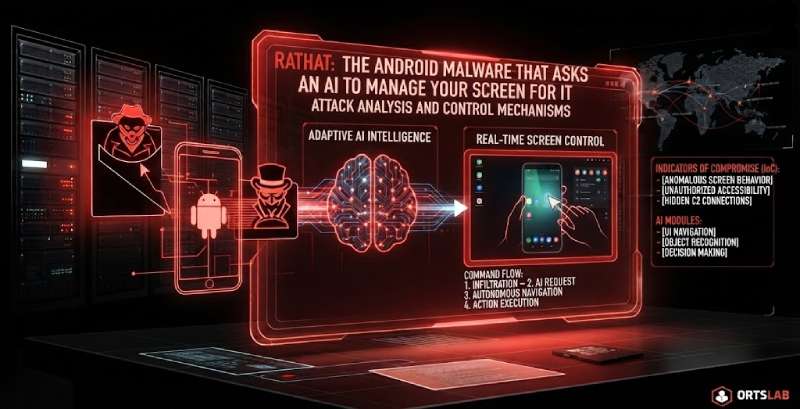
A social media ad, or a text message with a link to "install this app and get X." The victim installs the file directly, outside G...
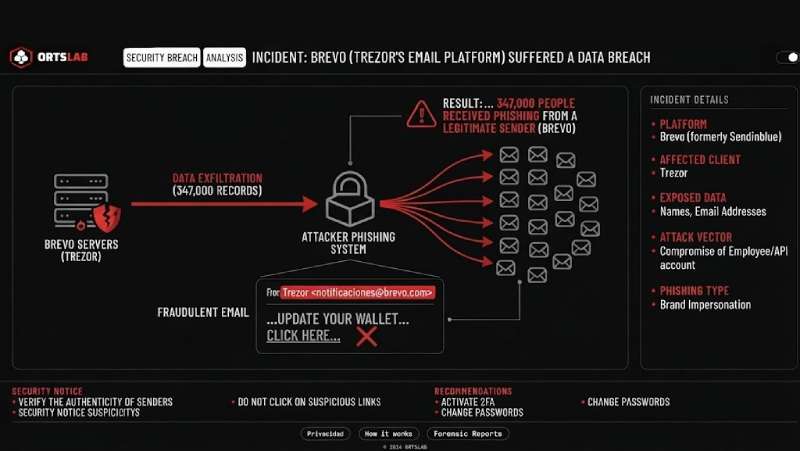
On September 9, 347,000 newsletter subscribers of Trezor — the hardware wallet maker — received an email from help@trezor.io. The ...
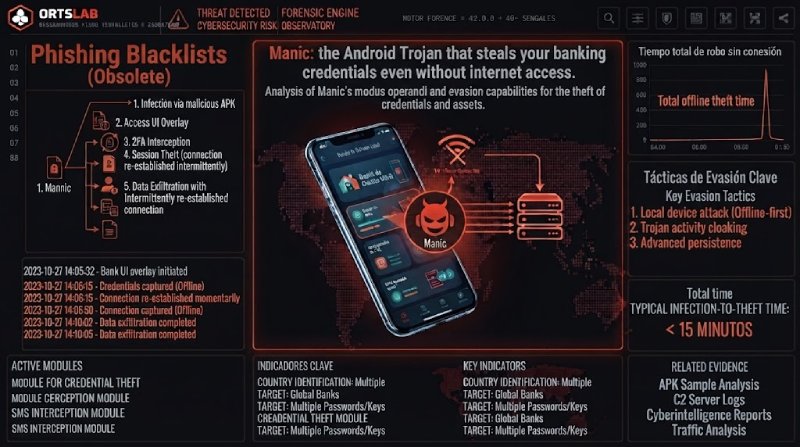
Your phone has no signal. You're on the underground, in a basement, in a dead zone. Nobody can access your data from outside. That...
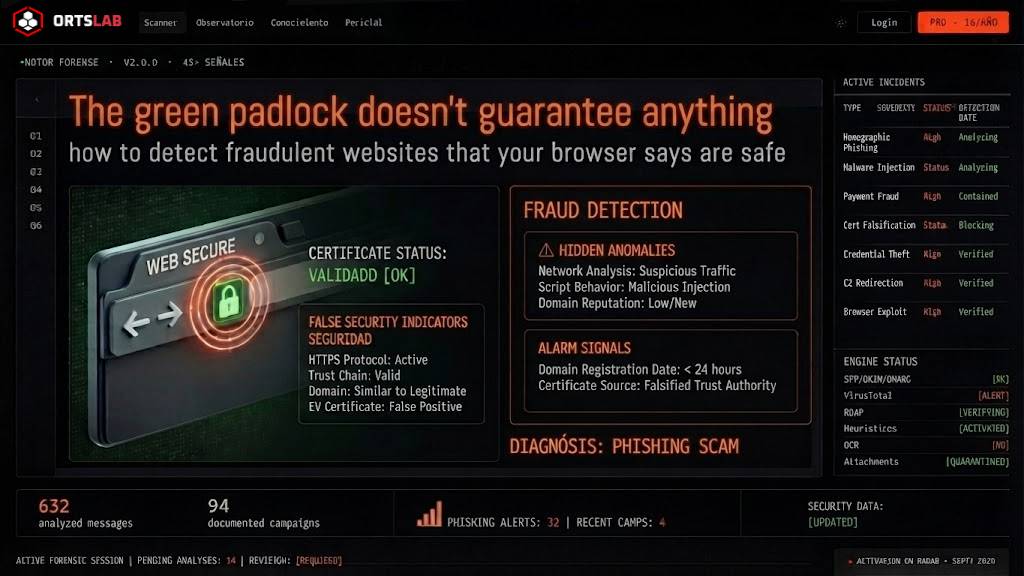
The padlock is there. The connection is secure. The browser shows no warnings. And yet, the website in front of you is about to st...
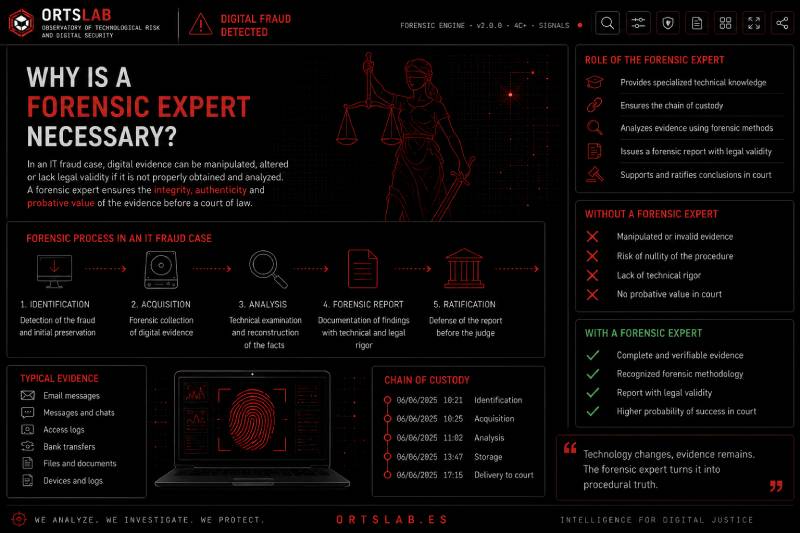
You receive an email that appears to come from a supplier, a partner or someone inside your company. They ask you to make an urgen...
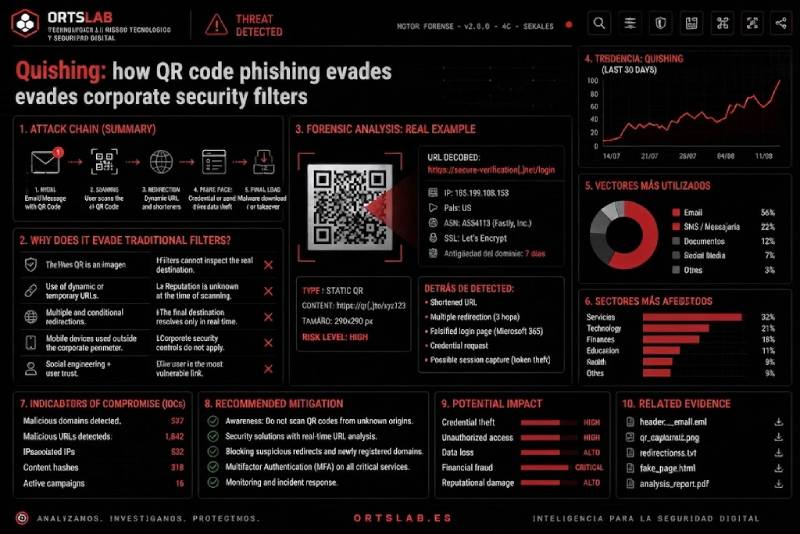
The email looks legitimate. The logo is correct, the tone is familiar, and the subject line says you need to verify access to your...
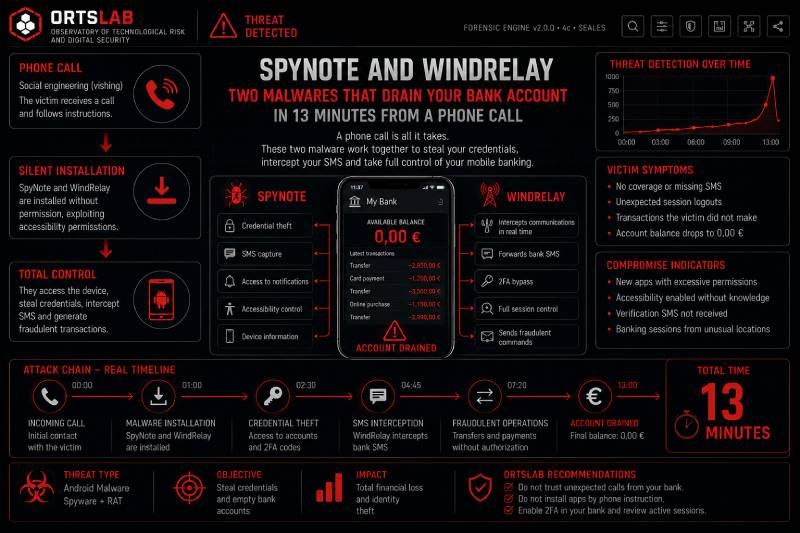
The phone rings. Someone claims to be from your bank and warns you of a problem with your card. They ask you to install an app to ...
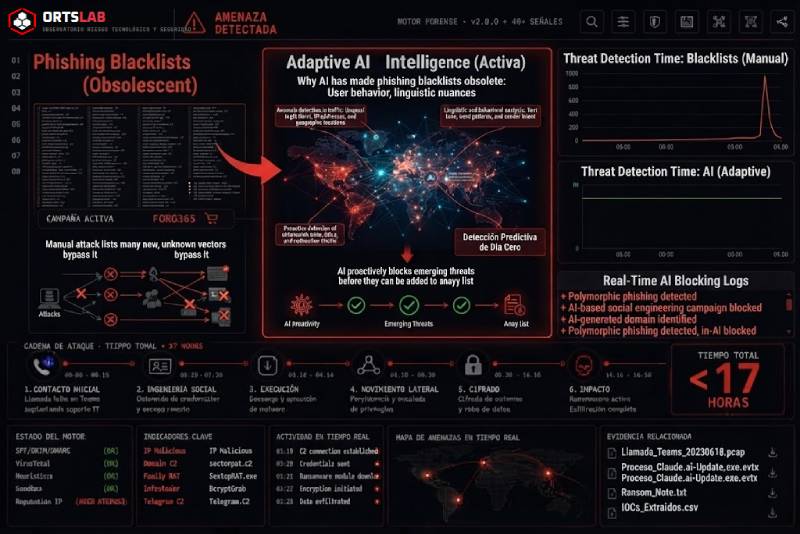
For years, the standard response to phishing was always the same: detect the malicious domain, add it to a blocklist, and block it...
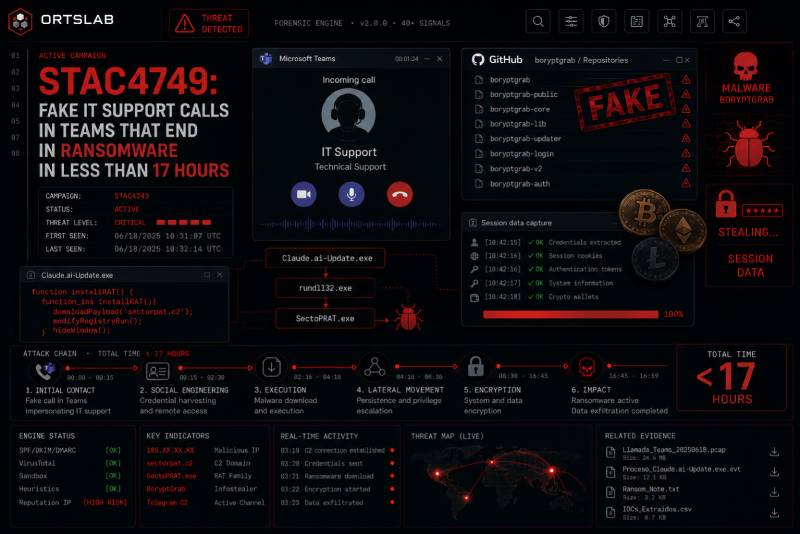
The phone rings inside Microsoft Teams. The screen shows the name of someone from the IT support team. A calm voice explains there...
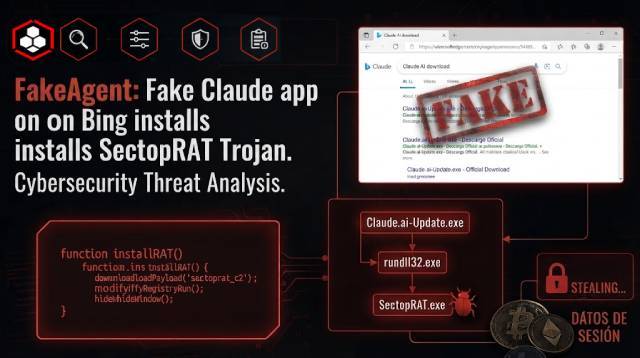
You search for "Claude" on Bing. The first result is a sponsored ad that takes you directly to a page hosted on Claude's official ...
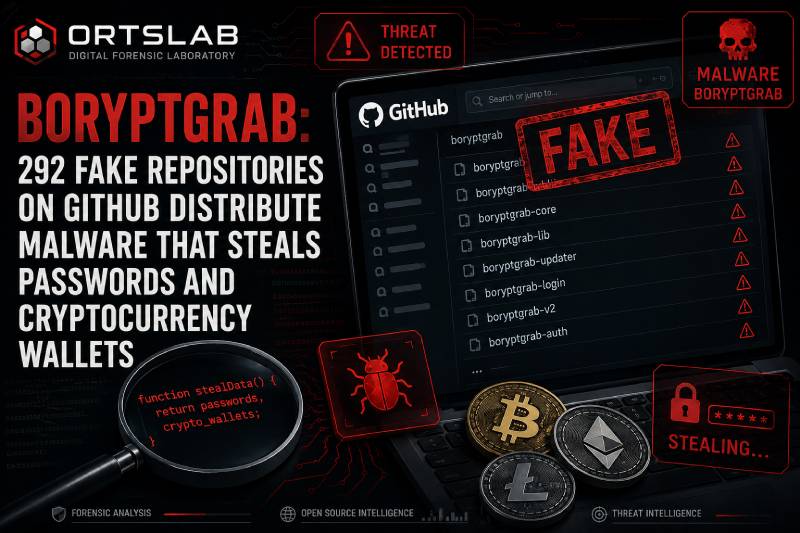
You search for a security tool, a Mac utility, an encrypted email client or some cryptocurrency software. You find a GitHub reposi...
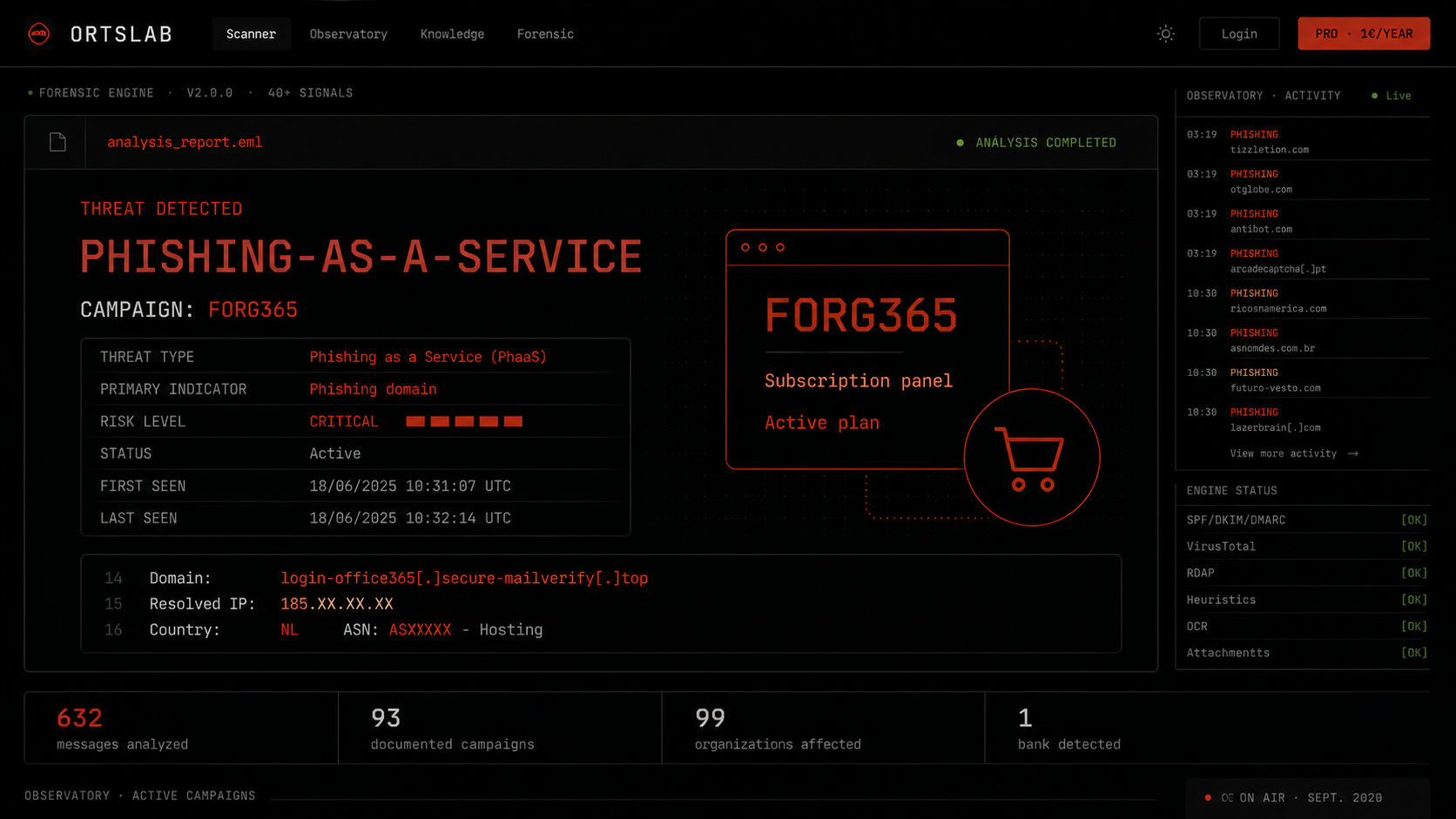
Forg365: when phishing becomes a monthly subscription On 18 June we published an analysis of EvilTokens: the technique that ste...
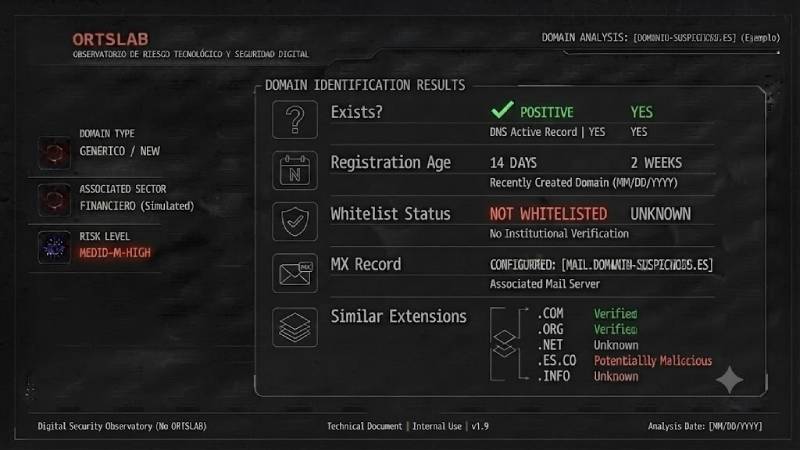
Five things a forensic expert checks before opening the email There is a tool I used every day that at some point stopped being...
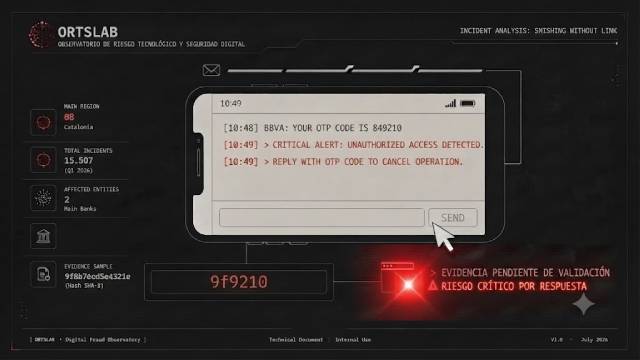
The smishing that needs no link: when fraud asks you to reply For years, the advice has been the same: don't click the link. An...
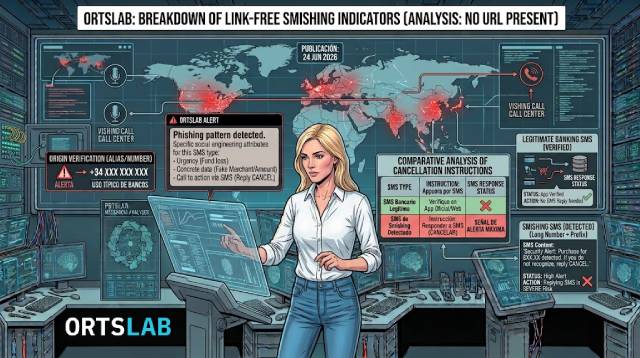
A text message arrives from your bank. It alerts you to a purchase you don't recognise — a specific amount, a named shop, an exact...
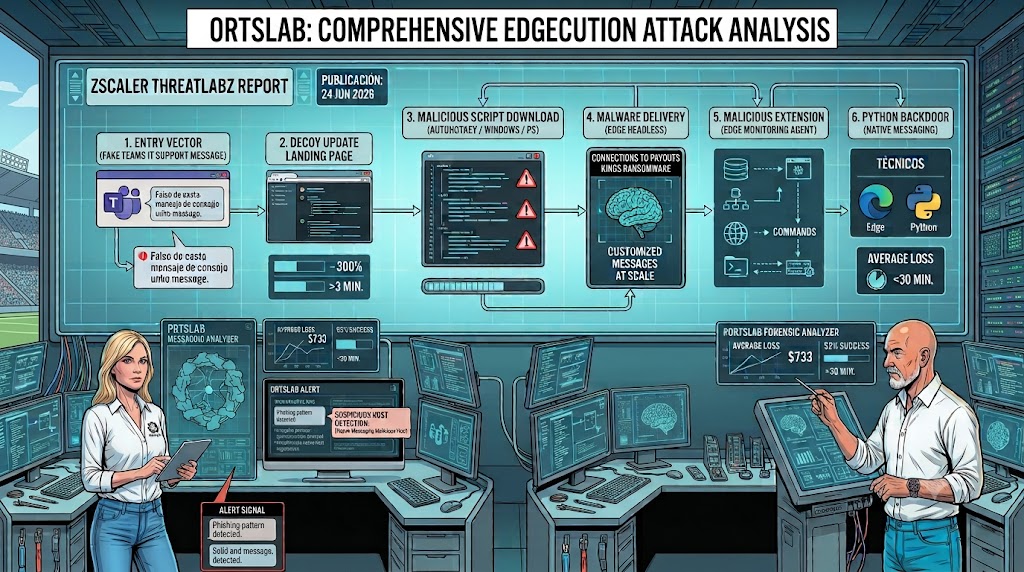
A Teams message. Someone from IT support warning that the spam filter needs updating. A download button on what looks like the off...
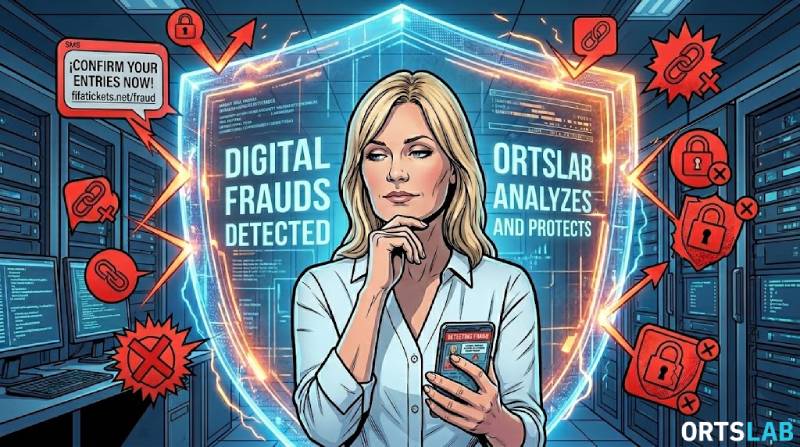
You get a text from your bank warning about a suspicious charge. Or from a delivery company saying a parcel is on hold. Or from a ...
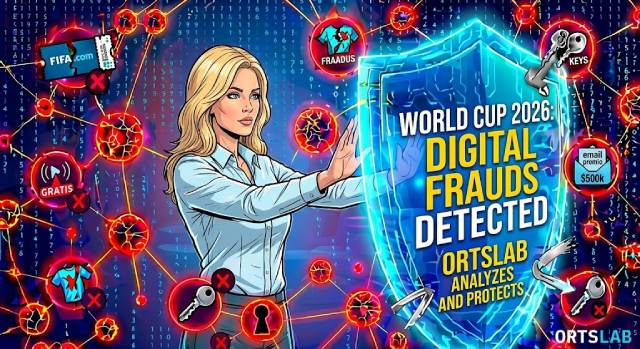
The 2026 FIFA World Cup is underway, and so is a wave of digital fraud that Kaspersky has been documenting for weeks. Researchers ...
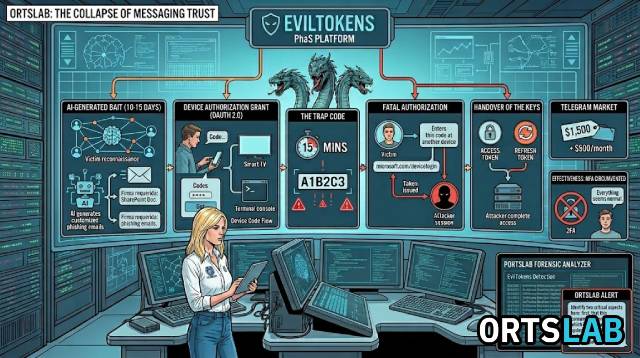
There is no fake page. No password form. No spelling mistake giving away the scam. The victim visits the genuine Microsoft website...
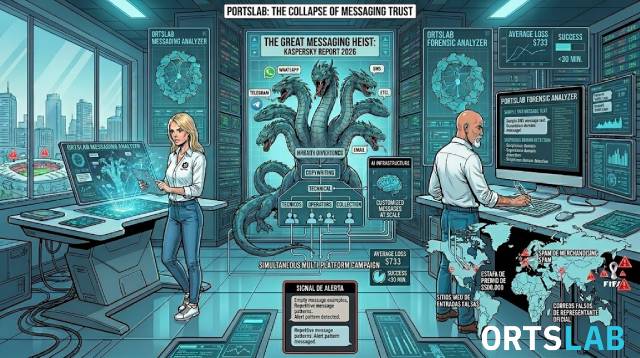
A short message. A familiar name. An everyday tone. That is how most messaging scams begin in 2026 — and how they end, in under 30...
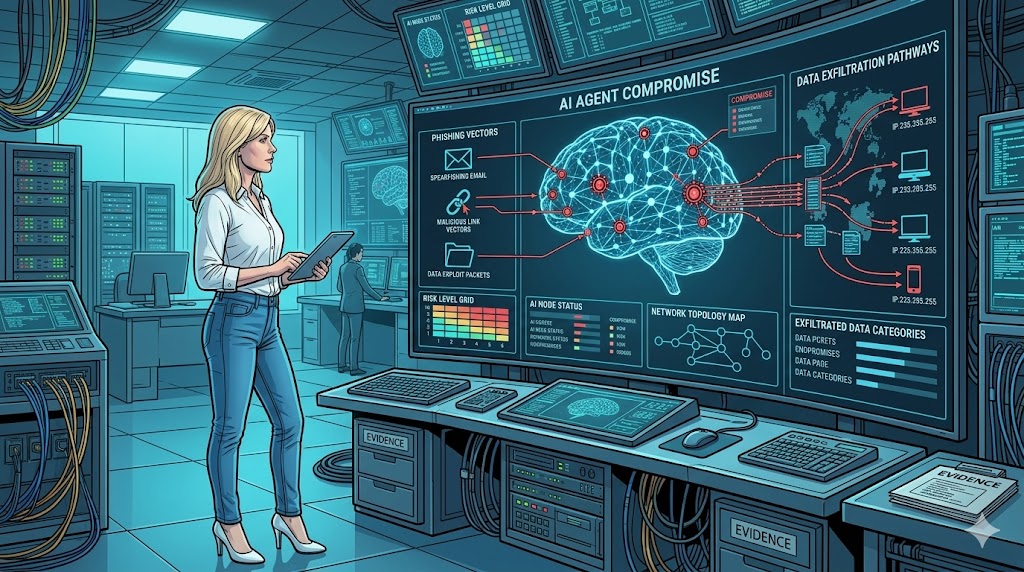
An AI agent connected to a corporate inbox, with access to AWS credentials, database passwords and CRM exports. An attacker sends ...

Modern email security filters know how to read QR codes embedded as images in messages. Attackers know this too. So they found a w...
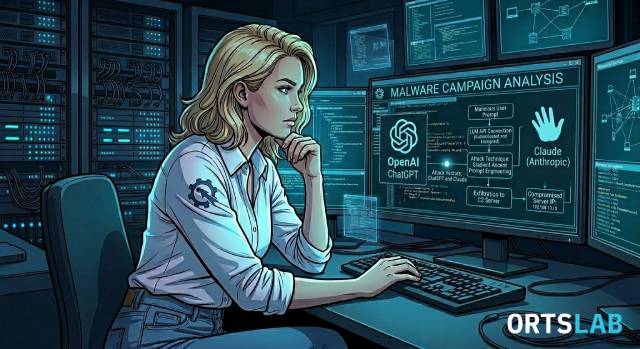
Security filters are trained to detect suspicious domains, shortened URLs and unknown senders. The LLMShare campaign, documented b...
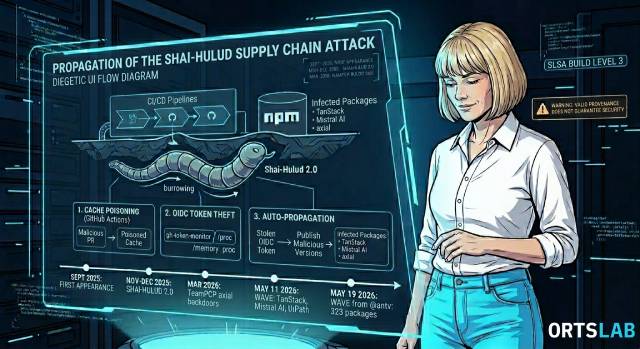
In September 2025, a worm appeared in the npm ecosystem that changed the rules of supply chain security: Shai-Hulud. Its mechanism...
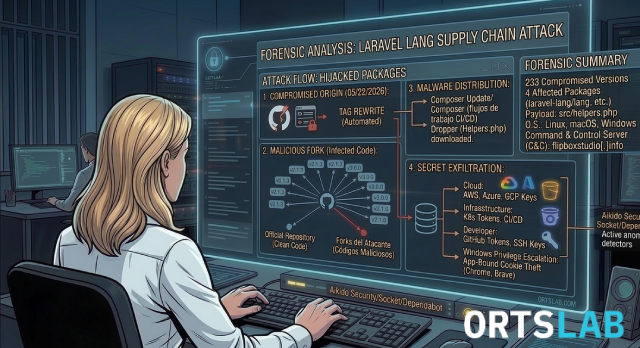
Laravel Lang: the PHP packages used by thousands of developers had malware inside On May 22, 2026, at 22:32 UTC, an attacker co...

Email security filters have spent decades learning to detect malicious images, hidden links and dangerous attachments. Attackers k...
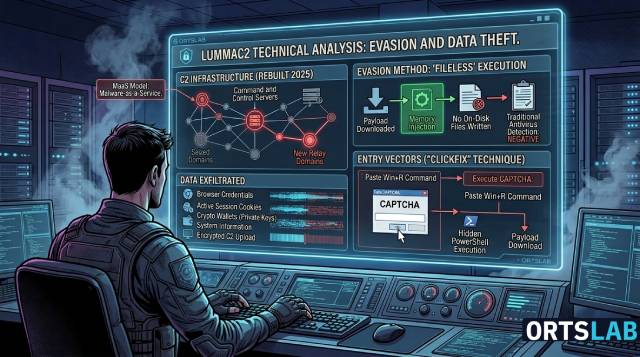
LummaC2: the malware that steals your passwords, cookies and crypto without leaving a trace In May 2025, the FBI and CISA publi...
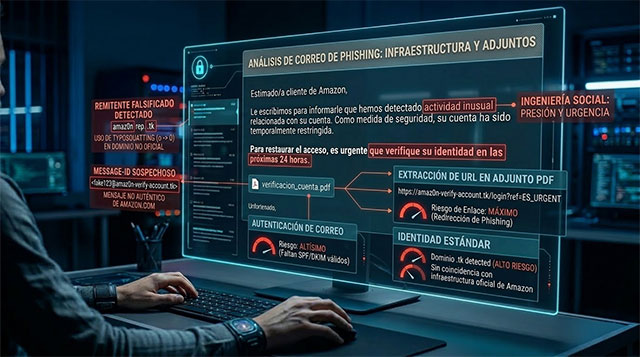
Amazon is the most impersonated brand in phishing campaigns worldwide. It is no coincidence: hundreds of millions of users have an...
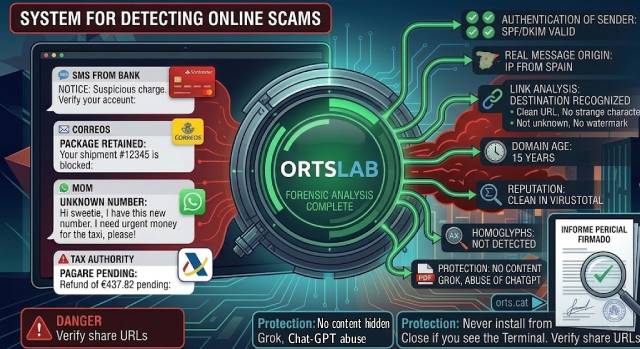
Every day millions of people receive messages they are not sure about. A text from their bank warning of a suspicious charge. An e...
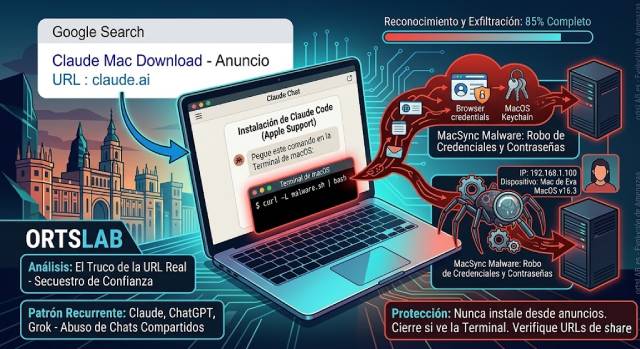
If you search for "Claude mac download" on Google, you might encounter a sponsored ad that points directly to claude.ai — Anthropi...
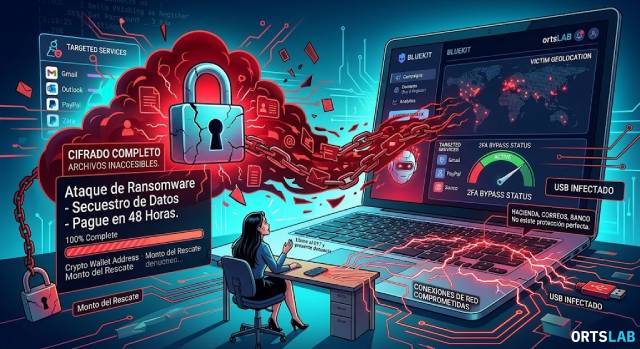
Imagine turning on your computer in the morning and, instead of your desktop, finding a black screen. A message tells you that all...
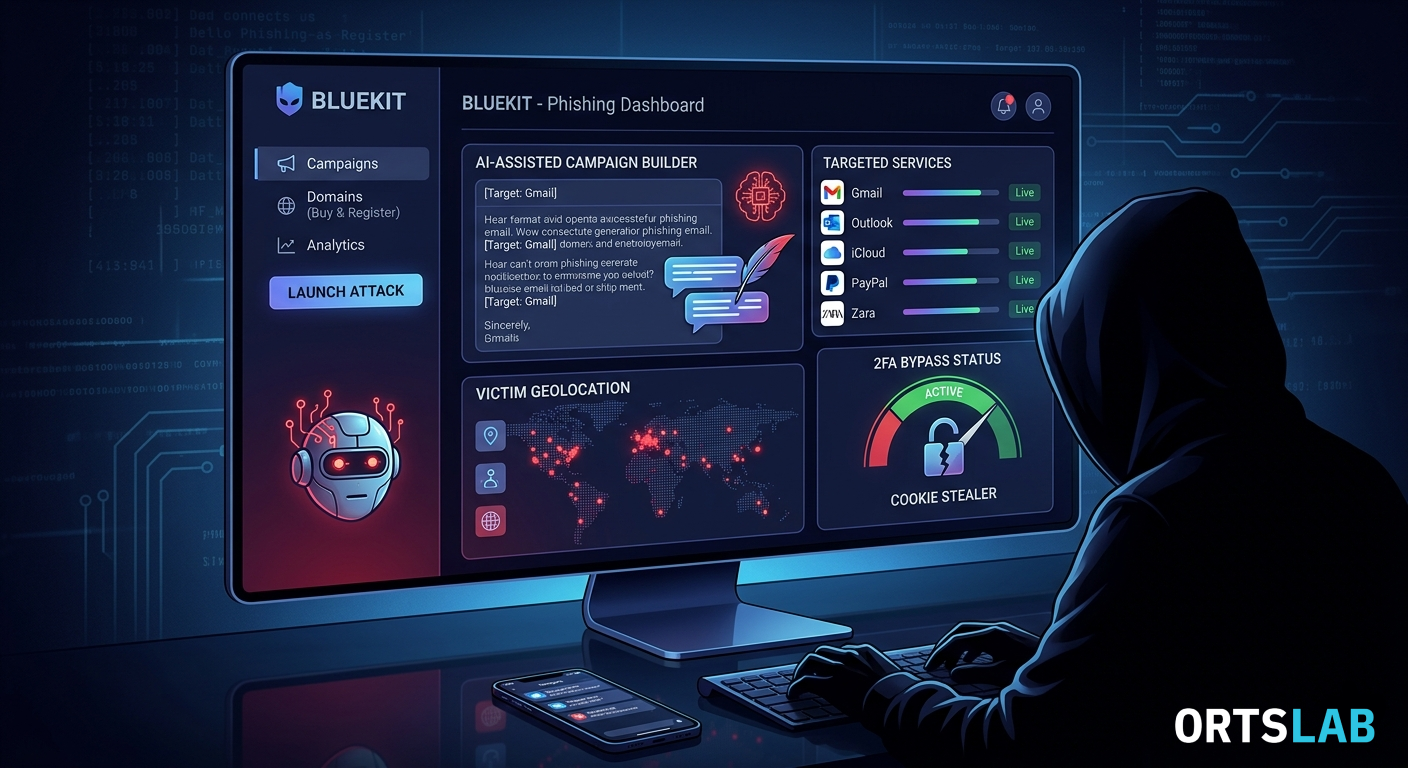
Until recently, setting up a phishing campaign required technical knowledge, time, and access to several different services. That ...
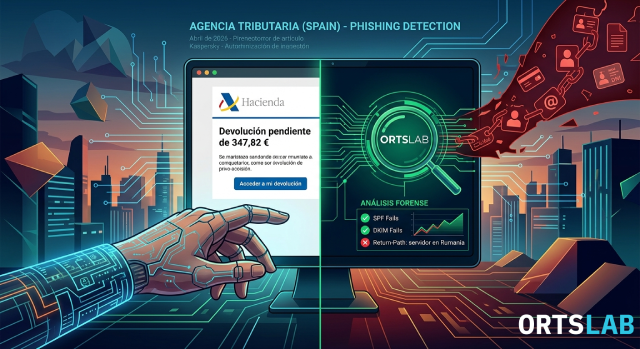
Fake tax agency email: IRS, HMRC and AEAT phishing — how to detect it Tax agencies are among the most impersonated institutions...
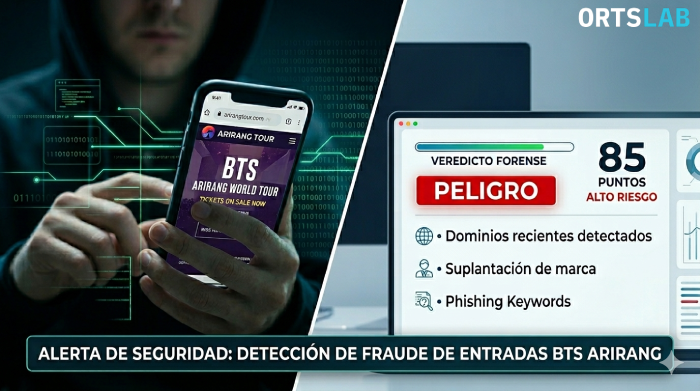
Scammers Exploit BTS Comeback to Sell Fake ARIRANG Tour Tickets Online Fraud in the BTS ARIRANG Tour: Fake Tickets and Cloned...
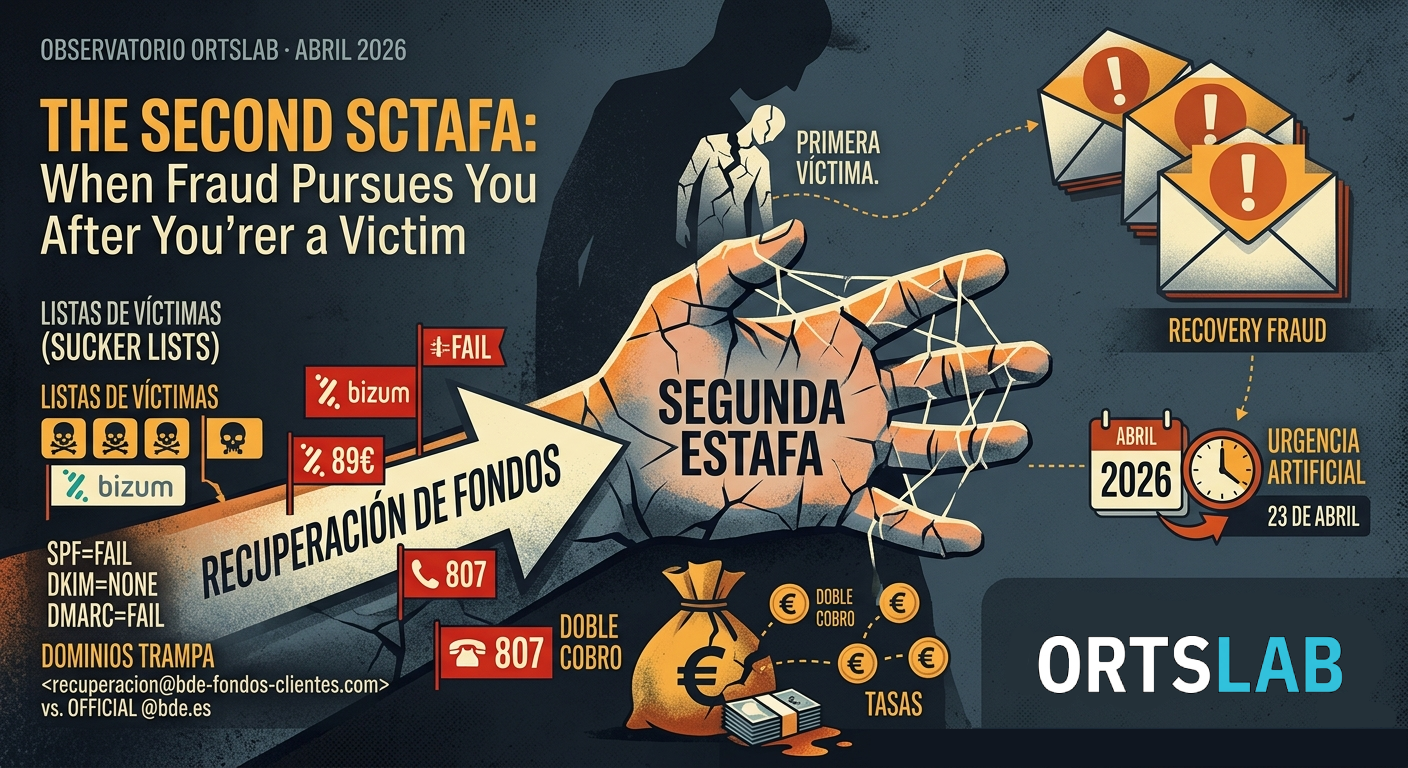
Recovery fraud turns former victims into primary targets. We explain how it works, how to recognize it, and why it is more dangero...
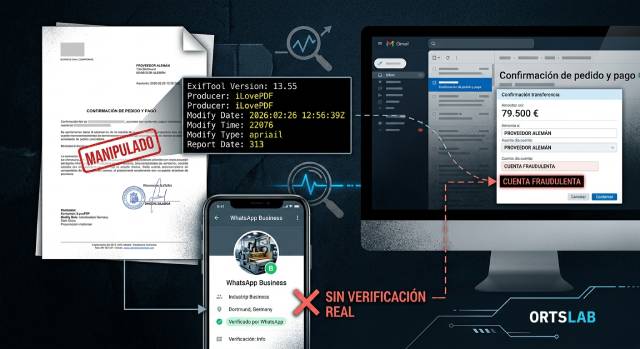
Supplier impersonation fraud, known as BEC (Business Email Compromise), has become one of the most profitable threats for c...
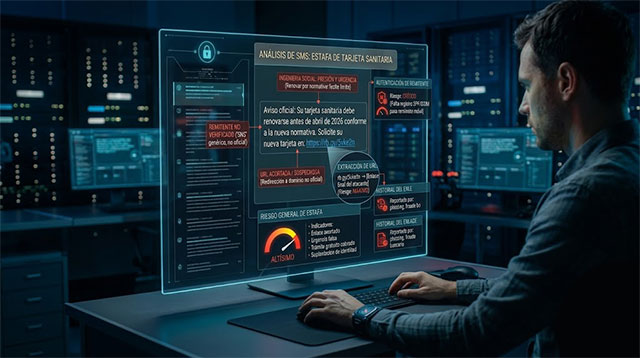
Social engineering attacks are constantly evolving, but there is a repeating pattern: exploiting everyday procedures to gene...
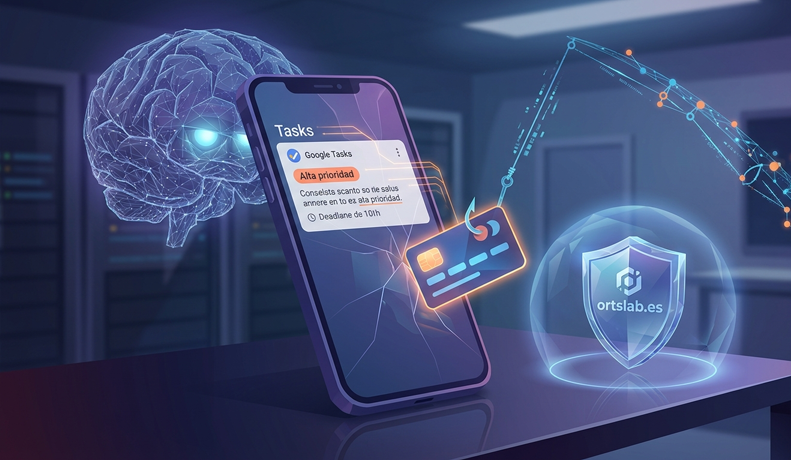
In the cybersecurity landscape, attackers have realized that it is much simpler to deceive a person than to breach a fortified ser...
Forensic analysis of forwarded emails: what is preserved, what is lost and how not to destroy the evidence Forensic analysis ...
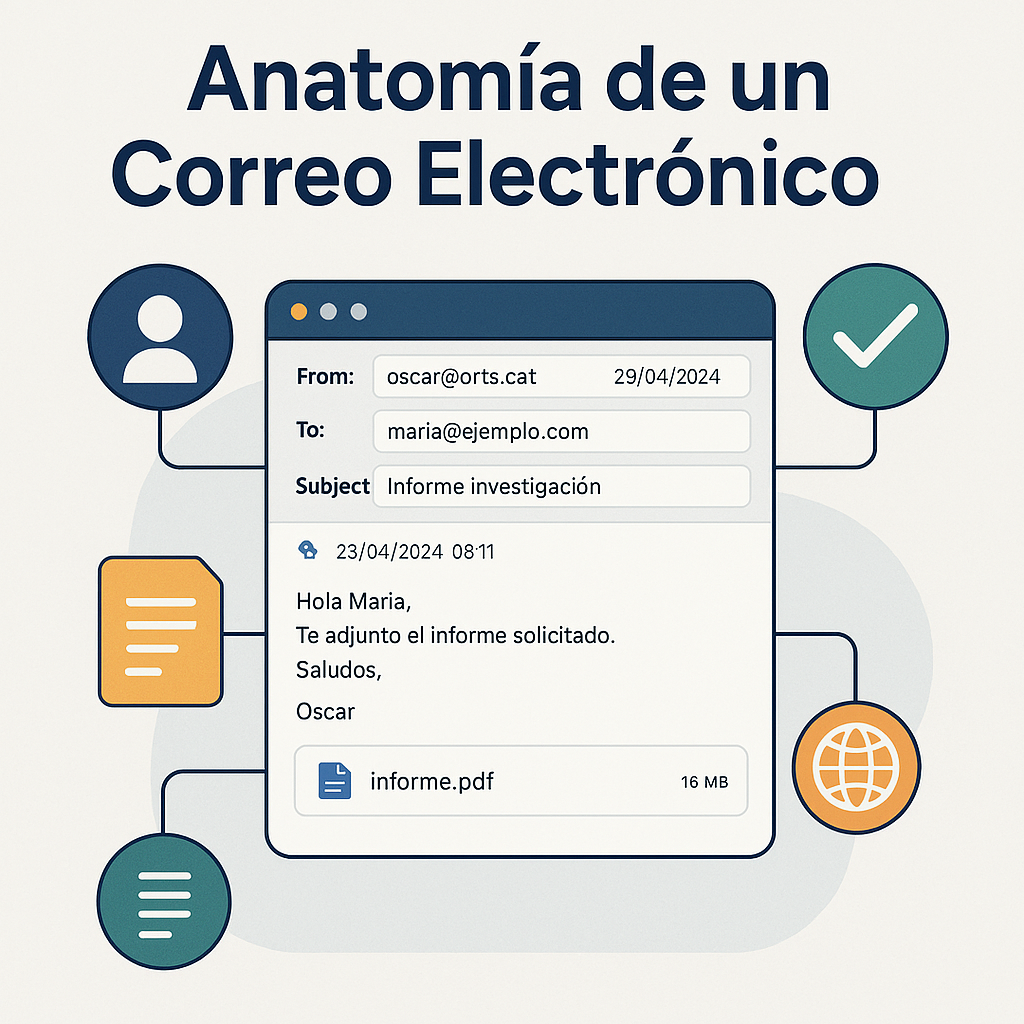
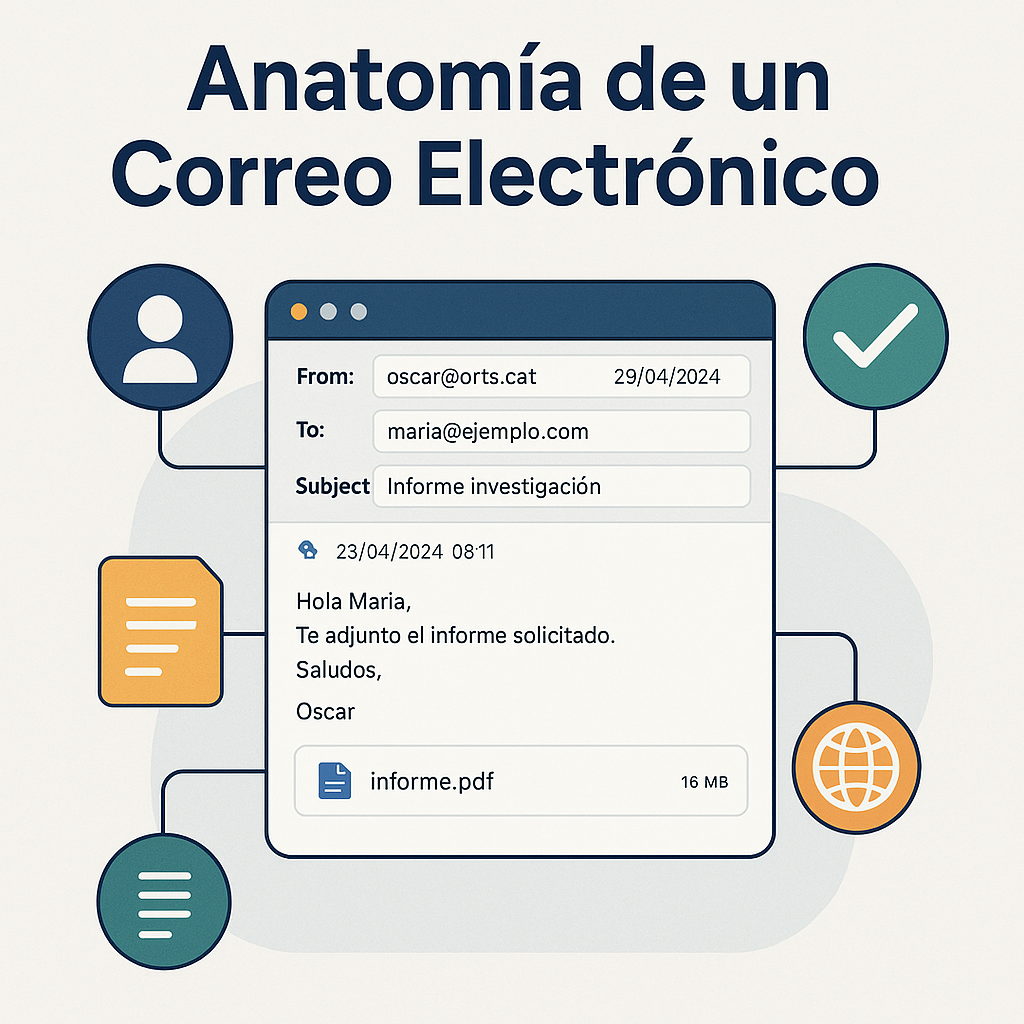
This series of articles explains in detail how an email is structured, what elements it comprises, and how to analyze each part to...
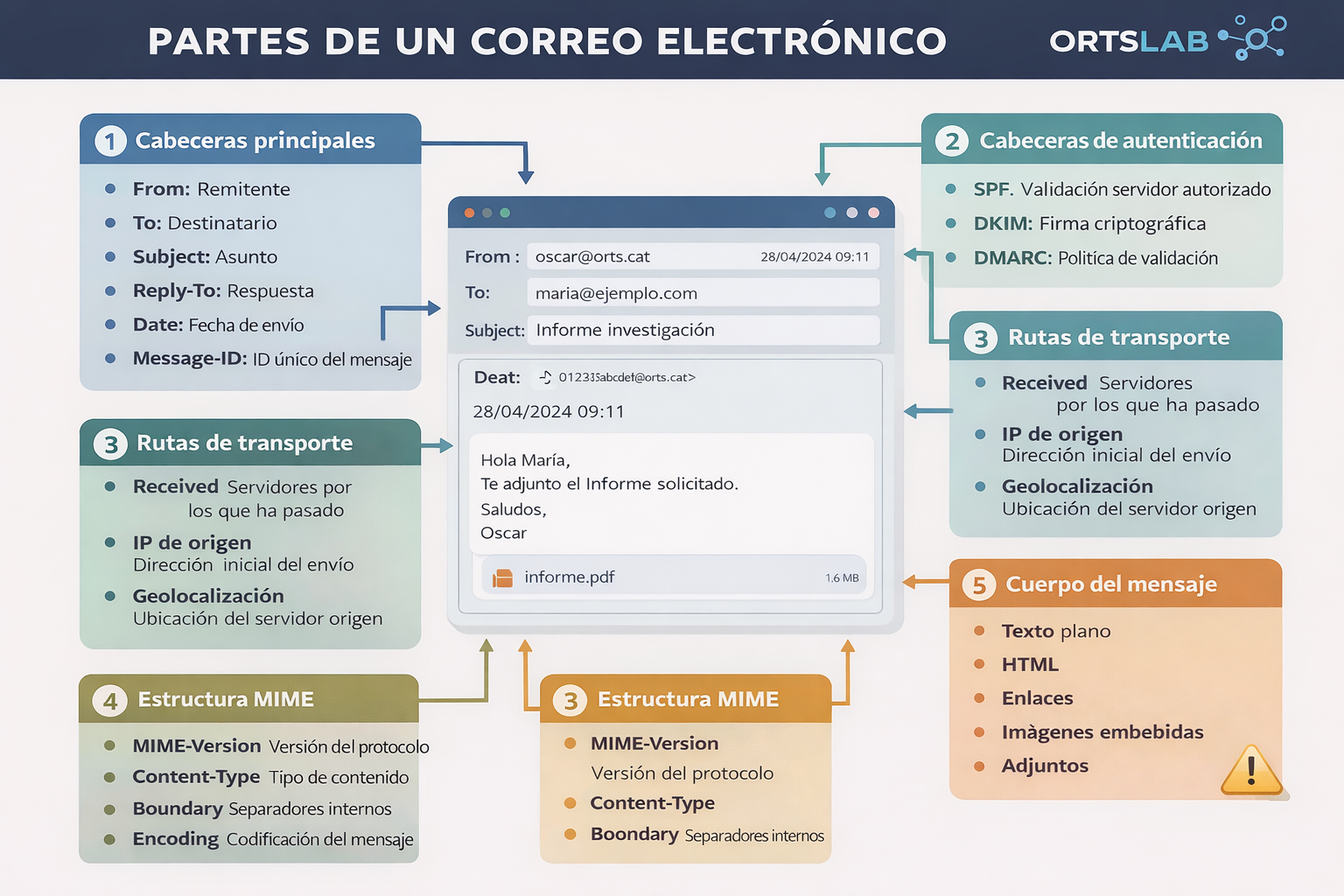
We are launching this blog with a series of articles dedicated to precisely defining how an email is structured, what parts compos...
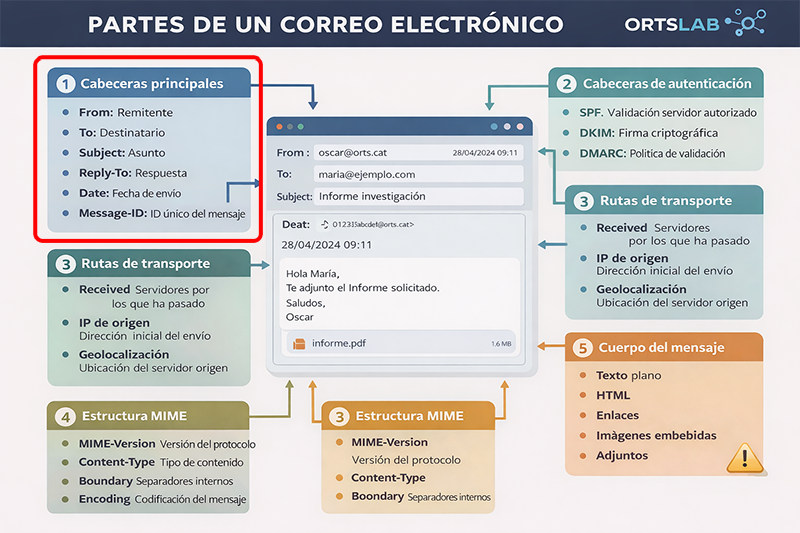
The main headers are the elements visible to any user and constitute the first layer of information we must review when analyzing ...
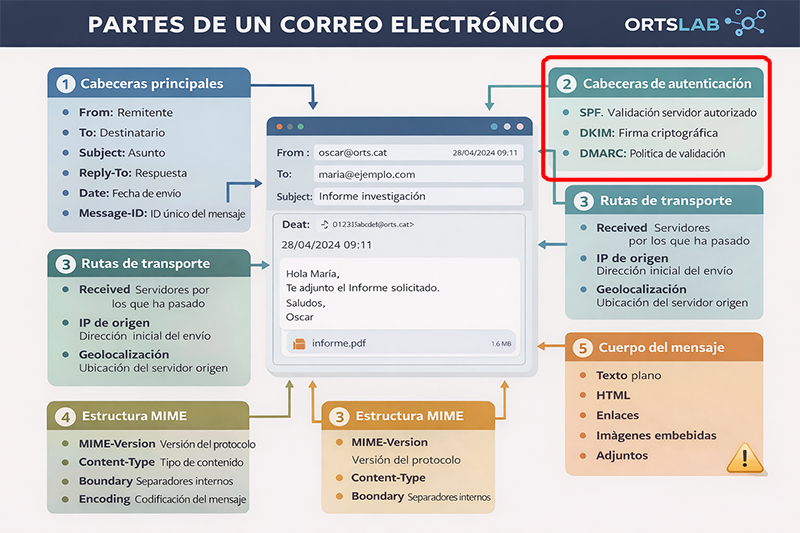
Authentication headers allow verifying whether a message has actually been sent by an authorized server and if its content has bee...
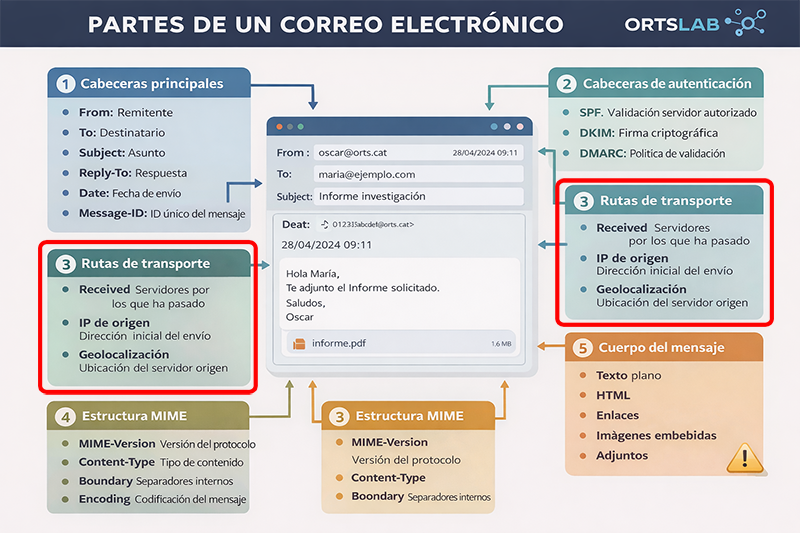
Transport routes allow for the reconstruction of the actual path a message has followed from its origin to the recipient's inbox. ...
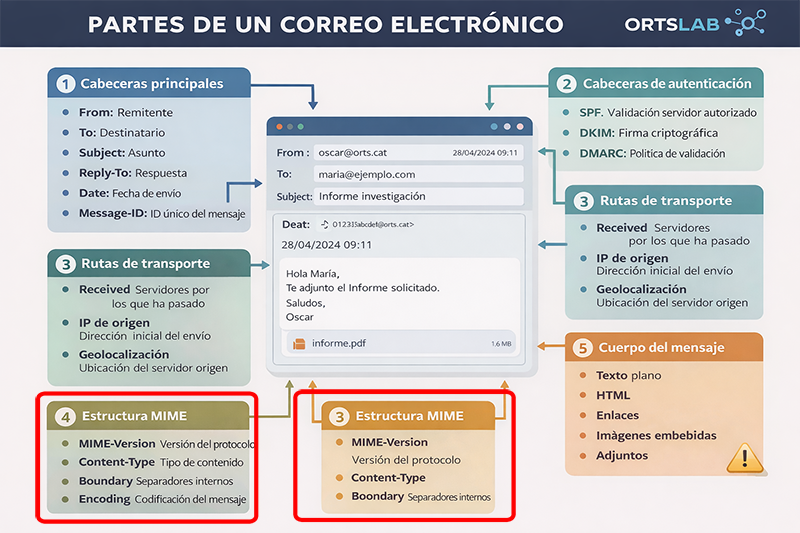
The MIME structure defines how the content of an email is organized internally. It allows a message to include multiple parts, suc...
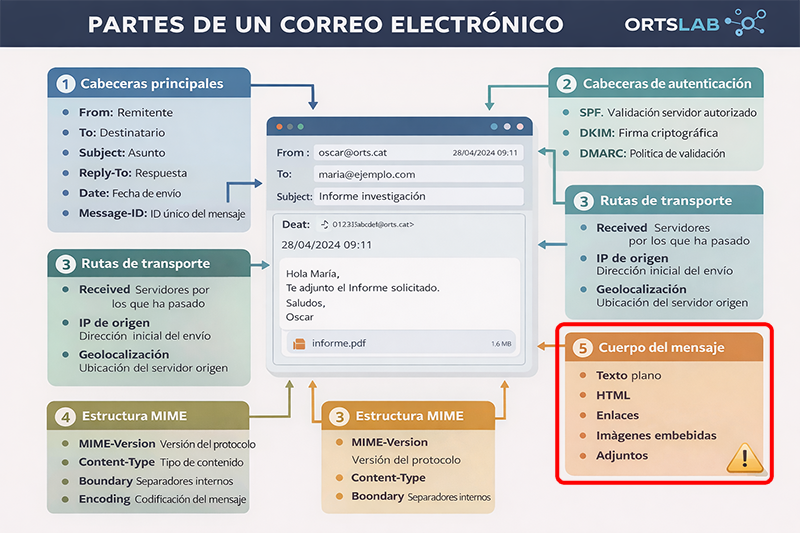
The message body is the part visible to the user and where most manipulation attempts are concentrated. Although it may seem like ...
Many attacks are based on manipulating parts of the email that the user assumes to be reliable. These manipulations can be subtle ...